How to structure a Dissertation

Sourav Mahahjan
Jan 12, 2026
Preparing a dissertation and writing can be an overwhelming feeling, even for students with high performance. Starting from selecting the right topic to understanding the requirements of the examiners in the dissertation, and in each section, a poor structure of the dissertation can result in losing a large number of marks.
Whether you are a postgraduate, graduate, MBA or PhD student, the following blogs provide detailed information on how to structure a dissertation in a step-by-step method, along with clear chapter-wise breakdowns, examiner-approved insights, and practical tips. Therefore, if you are looking to gain academic credibility, clarity, and high scores, this blog will be invaluable to you.
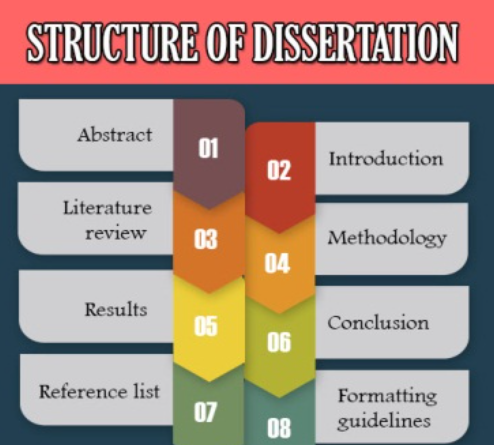
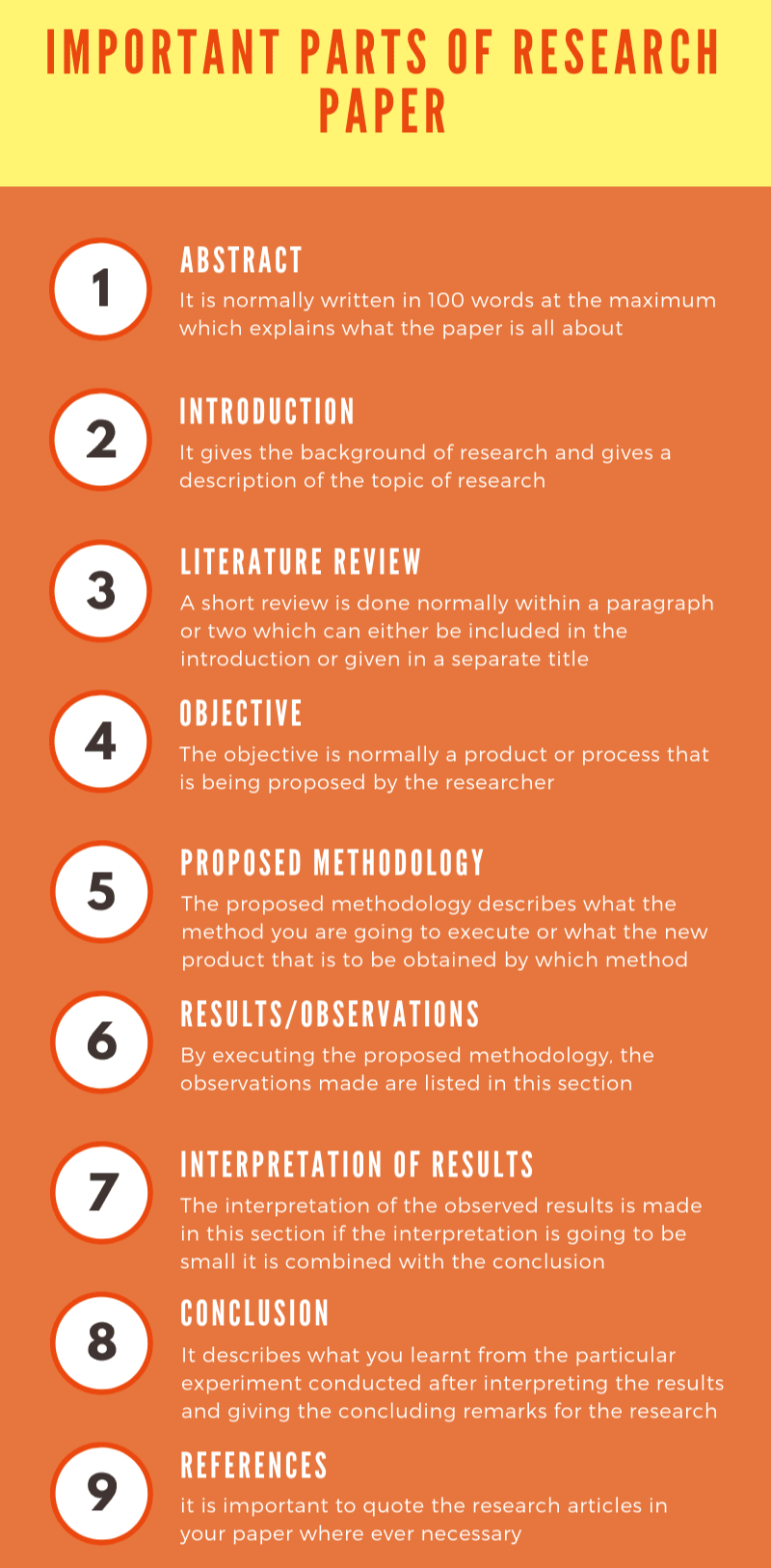
“Figure 1: Structure of Dissertation”
Why is the structure of the Dissertation important?
A well-structured dissertation is critical as
- It enhances logical flow and readability
- Helps the examiners locate key arguments quickly. Shows academic maturity and research skills.
- Reduces confusion and repetition
- Aligns your work with university marking rubrics
Standard Dissertation Structure (Overview)
- Title Page
- Abstract
- Acknowledgements
- Table of Contents
- List of Tables & Figures
- Chapter 1: Introduction
- Chapter 2: Literature Review
- Chapter 3: Research Methodology
- Chapter 4: Findings / Results
- Chapter 5: Discussion
- Chapter 6: Conclusion & Recommendations
- References
Appendices
Title Page
It is the first page of the dissertation and sets the impression in front of the examiners. Therefore, it should include:
- Dissertation title (clear and research-focused)
- Student name & ID
- Course and university name
- Supervisor’s name
- Submission date
Abstract (150-300 words)
The abstract is generally the entire summary of the dissertation, although it’s the introduction. It should include:
- Research problem
- Aim and objectives
- Methodology
- Key findings
- Main conclusion
Important Tip: Write it after completing the dissertation, although it lies first.
Table of Contents, Tables & Figures
This section helps in showcasing professionalism and enhances the navigation. The majority of the students make them automatically with the help of Word styles.
Chapter 1: Introduction
The introduction chapter provides information regarding the topic of the research and why it is important
Major components:
- Background of the study
- Research problem
- Aim and objectives
- Research questions or hypotheses
- Scope and significance
- Dissertation structure overview
Examiner Requirement: Having a precise alignment between objectives, problem, and research questions.
Chapter 2: Literature Review
This is considered the academic backbone of the dissertation.
It should include:
- Key theories and models
- Review of previous studies
- Thematic discussion (not author-by-author)
- Critical analysis (gaps, contradictions, limitations)
- Conceptual or theoretical framework
- Identified research gap
Pro Tip: Avoid summarising—evaluate and synthesise literature.
Chapter 3: Research Methodology
This chapter showcases how you completed your research study.
Subsections in this chapter:
- Research philosophy (positivism, interpretivism, etc.)
- Research approach (deductive/inductive)
- Research design
- Data collection methods
- Sampling technique and size
- Data analysis methods
- Ethical considerations
- Limitations
Pro Tip: Every method included should be justified with the help of academic sources.
Chapter 4: Findings / Results
The section only contains the result, and does not interpret it
Based on the Method:
- Quantitative: Tables, graphs, statistics
- Qualitative: Themes, codes, quotations
Pro Tip: Do not discuss “why” here—save that for Chapter 5.
Chapter 5: Discussion
This is the chapter where you get the marks.
Things to be done:
- Interpret findings
- Link results to literature
- Compare with previous studies
- Explain agreements or contradictions
- Answer research questions
- Discuss theoretical and practical implications
Pro Tip: The focus of the examiner is on critical thinking and academic depth.
Chapter 6: Conclusion & Recommendations
This is the final chapter of the literature review that brings all the things together
The chapter should include
- Summary of key findings
- Achievement of objectives
- Research contributions
- Practical recommendations
- Policy or managerial implications
- Suggestions for future research
Pro Tip: Do not introduce any new data here.
References
It is essential to follow the given referencing style, such as APA, Harvard, MLA, and Chicago
It is necessary to ensure that:
- In-text citations match the reference list
- Consistent formatting
- Recent and credible sources
Appendices
It is used for:
- Questionnaires
- Interview guides
- Consent forms
- Additional data tables
- Refer to them in the main text (e.g., Appendix A).
Final tips for structuring the dissertation
- Start with a clear outline
- Maintain alignment across chapters
- Follow your university rubric strictly
- Use academic language and transitions
- Proofread and format professionally
Final words
A strong and well-structured dissertation is more than a research study. It includes coherence, structure, and clarity. Following the chapter-wise dissertation breakdown provided in the blog below can help improve grades, enhance cohesion, and impress examiners.