How to Avoid Plagiarism

Sourav Mahahjan
Mar 16, 2026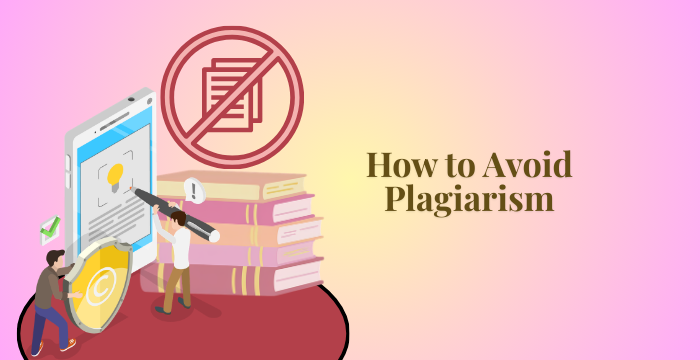
Plagiarism is one of the most serious issues in academic and professional writing. Whether you are writing a research paper, thesis, blog, or assignment, understanding how to avoid plagiarism is essential for maintaining academic integrity and credibility.
Many students unintentionally commit plagiarism because they do not fully understand how to cite sources, paraphrase correctly, or structure their research papers. Learning plagiarism prevention techniques can help you produce original, plagiarism-free content while giving proper credit to the authors whose work you reference.
In this comprehensive guide, we will explore what plagiarism is, why it is harmful, and the best strategies to avoid plagiarism in academic writing.
What Is Plagiarism in Academic Writing?
Before learning how to avoid plagiarism, it is important to understand what plagiarism actually means.
Plagiarism occurs when someone uses another person’s ideas, words, research, or creative work without proper acknowledgement and presents it as their own.
Common Types of Plagiarism
1. Direct Plagiarism
Copying text word-for-word from a source without citation.
2. Self-Plagiarism
Reusing your own previously submitted work without permission.
3. Mosaic Plagiarism
Combining phrases from different sources without proper citation.
4. Accidental Plagiarism
Forgetting to cite sources or misquoting information.
Understanding these types helps students recognise and avoid plagiarism in research papers and academic assignments.
Why Is Plagiarism a Serious Academic Offence?
Plagiarism is considered unethical in academic and professional environments because it undermines originality and intellectual honesty.
Consequences of Plagiarism
• Loss of academic credibility
• Failing grades or disciplinary action
• Rejection of research papers or journal submissions
• Damage to professional reputation
• Possible legal consequences in extreme cases
Universities and academic journals use plagiarism detection tools to identify copied content, making it essential to submit 100% original work.
1. Understand the Source Material Properly
One of the most effective ways to avoid plagiarism in academic writing is to fully understand the material you are using.
Instead of copying text directly from books or articles, read the source carefully and make notes in your own words.
Tips for Understanding Sources
• Read the material multiple times.
• Highlight key arguments and ideas.
• Summarise important points in your own language.
This approach ensures that your writing reflects your interpretation and understanding, not someone else’s exact words.
2. Use Proper Citation and Referencing
Proper citation and referencing are the most important steps in preventing plagiarism.
Whenever you use someone else’s ideas, statistics, or research findings, you must give credit to the original author.
Popular Citation Styles in Academic Writing
• APA citation style – used in social sciences
• MLA citation style – used in the humanities
• Chicago style citation – used in history and publishing
Example of Citation
According to research, social media can significantly impact student productivity (Smith, 2020).
Using citations not only helps avoid plagiarism but also strengthens the credibility of your research paper.
3. Learn How to Paraphrase Correctly
Paraphrasing is one of the most effective techniques for producing plagiarism-free academic writing.
Paraphrasing means rewriting information from a source in your own words while keeping the original meaning intact.
Steps to Paraphrase Properly
1. Read the original text carefully.
2. Understand the main idea.
3. Write the concept in your own words without looking at the source.
4. Compare your version with the original to ensure it is different.
5. Add proper citation.
Example:
Original text:
“Social media usage among teenagers has increased significantly in the last decade.”
Paraphrased version:
Over the past ten years, teenagers have dramatically increased their use of social media platforms.
Even when paraphrasing, you must still cite the source.
4. Use Quotation Marks for Direct Quotes
If you want to include the exact words from a source, you must place the text inside quotation marks and provide a proper citation.
Example:
“Education is the most powerful weapon which you can use to change the world.”
Direct quotes should be used sparingly in academic writing because excessive quoting can weaken the originality of your research paper.
5. Keep Track of All Your Research Sources
Many students commit accidental plagiarism simply because they forget where their information came from.
While conducting research, maintain a record of every source you consult.
Best Ways to Track Sources
• Maintain a research notebook
• Save links and article titles
• Use reference management tools
• Organise sources by topic
Keeping track of sources makes it easier to create an accurate reference list or bibliography later.
6. Use Plagiarism Checker Tools
Before submitting your assignment or research paper, always check your work using a plagiarism checker.
These tools compare your content with millions of online sources and academic databases.
Popular Plagiarism Detection Tools
• Turnitin
• Grammarly plagiarism checker
• Quetext
• Small SEO Tools plagiarism checker
Using a plagiarism checker ensures your paper is original and plagiarism-free before submission.
7. Cite Data, Statistics, and Images
Plagiarism does not only apply to text. You must also cite:
• Data and statistics
• Graphs and charts
• Images and figures
• Research findings
Whenever you include such material in your research paper, provide proper attribution to the source.
8. Write Your First Draft Without Copying
Many students copy sentences during research and plan to edit them later. This often leads to unintentional plagiarism.
A better strategy is to write your first draft completely in your own words based on your understanding of the topic.
After completing the draft, you can review it and add citations wherever necessary.
9. Understand the Difference Between Common Knowledge and Citable Information
Not all information requires citation.
Common Knowledge Examples
• Water freezes at 0°C
• The Earth revolves around the Sun
• World War II ended in 1945
Such facts are widely known and do not need references.
However, specific research findings, opinions, and data must always be cited.
10. Proofread and Review Your Work Carefully
The final step in avoiding plagiarism is careful proofreading and editing.
Before submitting your research paper:
• Check that all sources are cited properly.
• Ensure every quotation has quotation marks.
• Verify the accuracy of your reference list.
• Run your document through a plagiarism checker.
This final review ensures your work meets academic integrity standards.
Final Thoughts
Understanding how to avoid plagiarism is crucial for students, researchers, and content writers. Academic writing requires originality, proper citation, and ethical use of sources.
By learning techniques such as paraphrasing, citing sources, using quotation marks, and checking your work with plagiarism detection tools, you can produce high-quality, plagiarism-free research papers.
Remember that plagiarism is not just about copying text—it is about respecting intellectual property and contributing your own ideas to academic discussions.
Developing strong research and writing habits will help you maintain academic honesty and credibility throughout your academic and professional career.